
The Spiritual Pulse of Zimbabwe: The Sacred Mbira
Discover the rich history and spiritual significance of the mbira, Zimbabwe's sacred instrument, from ancient Bira ceremonies to modern cultural preservation.

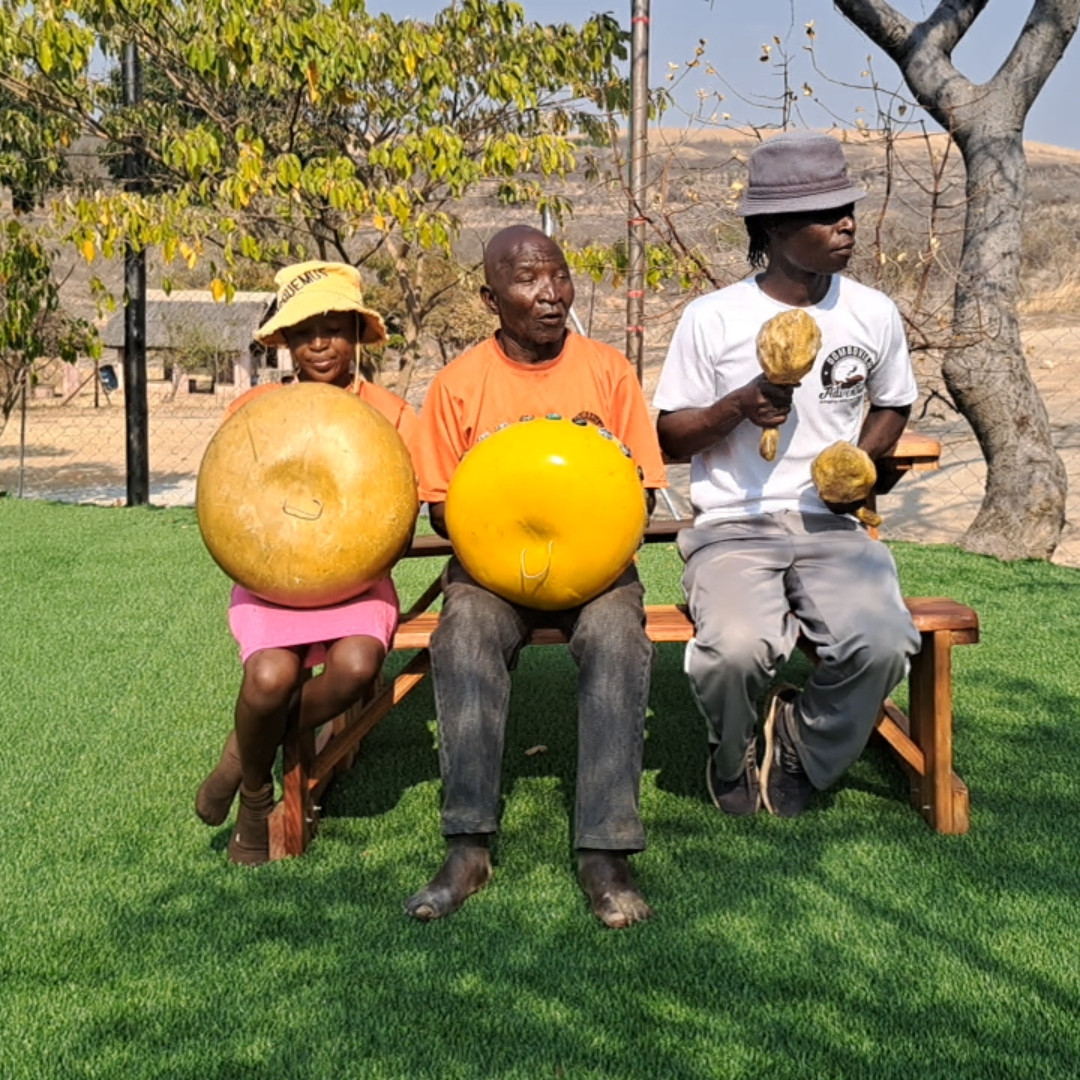
For over a millennium, the rhythmic, metallic resonance of the mbira has echoed across the landscapes of Southern Africa. Created by the Shona people of present-day Zimbabwe, this traditional lamellophone is far more than a simple musical instrument; it is the beating heart of a profound cultural identity. Consisting of staggered metal tines meticulously attached to a wooden soundboard and often amplified by a large calabash gourd resonator, the mbira produces a cascading, fluid sound. Its intricate polyrhythmic melodies carry the weight of centuries of history, preserving the oral traditions and collective memory of the Shona people through generations of continuous play.
At the core of traditional cosmology, this specific variation of the instrument is revered as the mbira dzaVadzimu, famously translated as the telephone to the ancestors. Its primary purpose transcends worldly entertainment, functioning instead as a vital tool for spiritual communication. During all-night communal rituals known as Bira ceremonies, the music serves as a sonic bridge, effectively opening portals to the spiritual realm. As the hypnotic, cyclical melodies loop and build in intensity, accompanied by the driving, rhythmic shaking of hosho (gourd rattles) and communal singing, the music facilitates deep meditative states. This highly charged environment allows designated spirit mediums, known as svikiro, to enter a trance and channel the Vadzimu—the revered ancestral guardians. Through the physical vessel of the svikiro, the ancestors offer crucial guidance, resolve community disputes, and bring rain to the land, cementing the mbira as an essential conduit for divine dialogue.
From Sacred Rituals to Global Stages
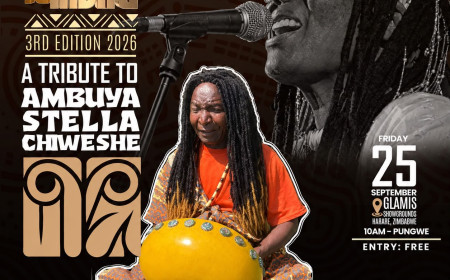
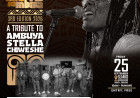
Over the past century, the mbira has evolved, transcending its strictly sacred ritual spaces to heavily influence both national history and global music landscapes. During Zimbabwe's fierce struggle for independence in the 1970s, the instrument's traditional melodies were electrified and integrated into Chimurenga, or liberation music. Visionary artists like Thomas Mapfumo used these modernized, driving mbira rhythms to unite, comfort, and inspire the populace against colonial rule. Simultaneously, legendary figures such as Stella Chiweshe boldly broke long-standing gender barriers, taking the traditionally male-dominated sacred sounds of the mbira to international stages. Their pioneering work transformed a localized spiritual practice into a globally recognized musical art form, all while strictly maintaining its profound cultural and spiritual resonance.
Preserving the Pulse in Domboshava
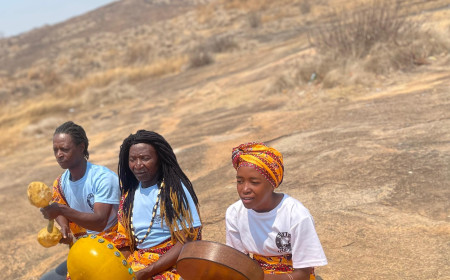
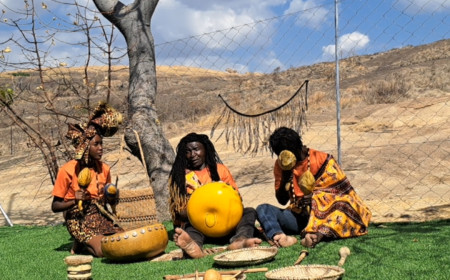
Today, the deeply rooted legacy of this sacred instrument continues to thrive within Zimbabwe's vibrant local communities. In the scenic, granite boulder-strewn region of Domboshava, dedicated cultural spaces are actively working to keep this living heritage alive and accessible. Rather than relegating the instrument to silent museum exhibits, Domboshava serves as a dynamic cultural hub where tradition breathes and evolves. Local traditional artists proudly conduct hands-on mbira training sessions for visitors, scholars, and cultural enthusiasts. These immersive, respectful experiences allow individuals to connect directly with the ancient sound and rhythm, learning the foundational plucking techniques and the stories behind the songs. By sharing this sacred knowledge, the cultural custodians of Domboshava ensure that the spiritual pulse of Zimbabwe will continue to resonate powerfully for generations to come.
What's Your Reaction?
 Like
0
 Dislike
0
 Love
0
 Funny
0
 Wow
0
 Sad
0
 Angry
0





Comments (0)