Youth,Culture and Social Spaces: Can Eco-Lodges Bridge the Generational Divide in Social Spaces?
Discover how eco-lodges attract youth to cultural landmarks, and explore the tension between modern wellness trends and local rural community values.

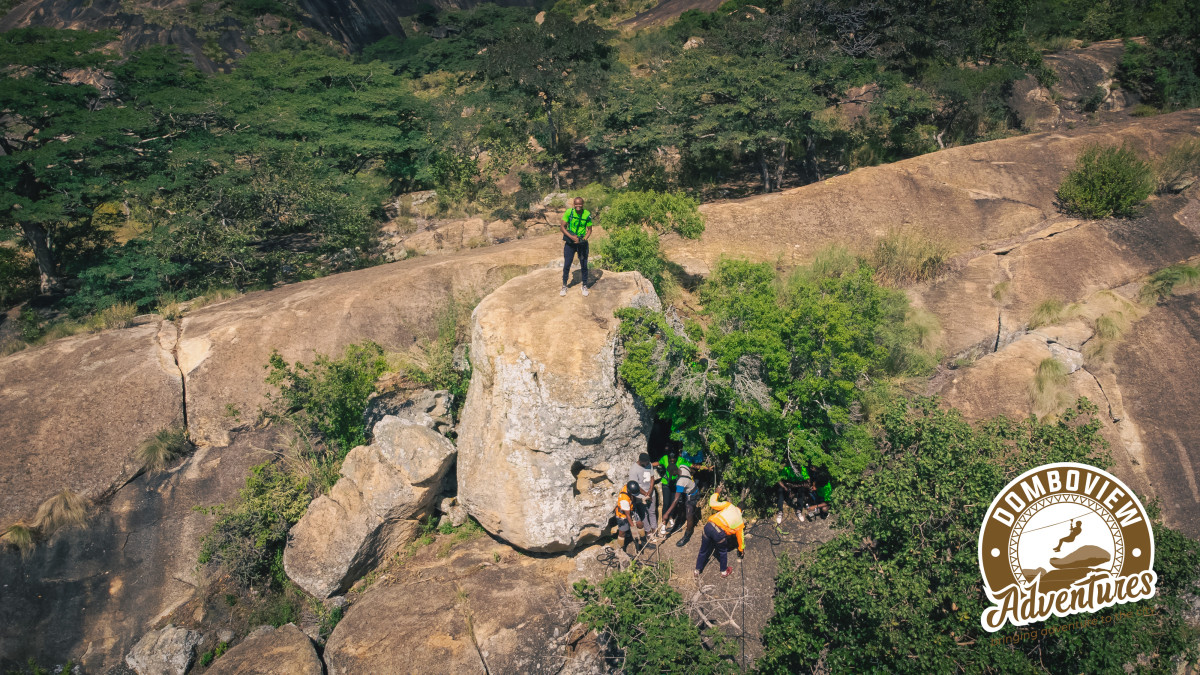
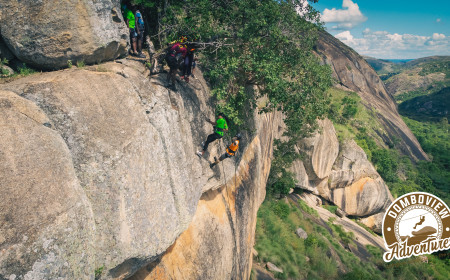
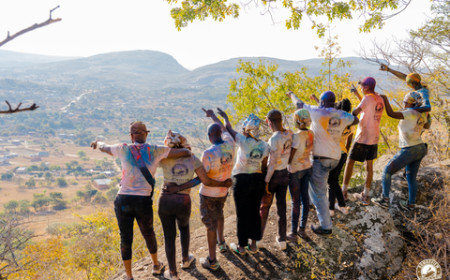
The modern eco-lodge has evolved far beyond a simple sustainable getaway. Today, these outdoor recreational spaces serve as vibrant social hubs, drawing younger generations toward cultural landmarks they might otherwise overlook. Through curated hikes, wellness retreats, and purpose-driven health events like Pink October initiatives, eco-lodges are successfully merging outdoor recreation with social engagement. This shift presents a unique opportunity to bridge the generational divide, introducing youth to heritage sites through the lens of modern lifestyle trends.
By transforming traditional landscapes into dynamic venues, eco-tourism operators are capturing the attention of a demographic that values experiences, health, and community. A weekend hike culminating in a breast cancer awareness fundraiser not only promotes physical well-being but also fosters a sense of collective purpose. However, as these natural spaces become increasingly popular among younger crowds, critical questions emerge regarding the depth of this engagement and its impact on the surrounding environments.
The Wellness Aesthetic vs. Cultural Education
One of the most pressing debates surrounding this trend is whether the focus on wellness and social vibes is overshadowing genuine cultural education. When youth travel to a historic rural landmark primarily for a picturesque yoga session or a trendy wellness retreat, the intrinsic historical value of the site risks becoming a mere backdrop. Critics argue that this surface-level interaction commodifies culture, reducing centuries of heritage to aesthetically pleasing content for social media feeds.
To prevent cultural erasure, eco-lodges must actively integrate historical context into their programming. This can be achieved through:
- Guided heritage walks: Employing local historians to lead hikes and share indigenous knowledge with visitors.
- Interactive workshops: Facilitating hands-on experiences with traditional crafts or sustainable agricultural practices.
- Contextualized wellness: Connecting modern health initiatives with traditional healing practices native to the region.
Balancing Modern Social Hubs with Rural Realities
Beyond the dilution of history, there is a tangible friction between the operational demands of modern social gatherings and the traditional values of rural communities. Eco-lodges frequently host events that reflect progressive youth culture, which can occasionally clash with the conservative norms of the local population. Large-scale gatherings, late-night music, and an influx of urban visitors can disrupt the quiet, agricultural rhythm of rural life, leading to feelings of alienation among locals.
Furthermore, the economic benefits of these social spaces do not always trickle down to the community. If an eco-lodge operates as an isolated bubble, it risks gentrifying the rural landscape rather than uplifting it. To truly bridge the generational and geographical divide, outdoor hubs must prioritize symbiotic relationships with their neighbors. This requires strict adherence to community guidelines regarding noise and traffic, as well as a commitment to sourcing local labor and products.
Ultimately, eco-lodges possess the immense potential to act as cultural conduits. By thoughtfully blending the modern appeal of wellness and social activism with a deep, respectful integration of local heritage and rural community values, these natural spaces can foster meaningful connections that span across generations.
Frequently Asked Questions
What's Your Reaction?
 Like
0
 Dislike
0
 Love
0
 Funny
0
 Wow
0
 Sad
0
 Angry
0







Comments (0)