
Educational Benefits of Basecamp Domboview
Explore the academic benefits of Basecamp Domboview for students in Zimbabwe, focusing on sedimentary geography, history, and the Heritage Studies curriculum.

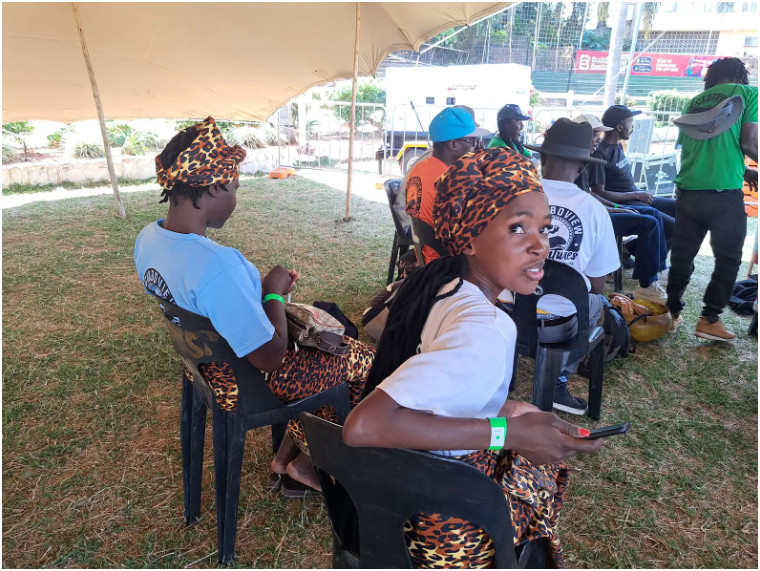
Field-based education serves as a critical pedagogical tool, transforming abstract syllabus concepts into tangible realities. For students in Zimbabwe, Basecamp Domboview stands as an exceptional outdoor laboratory that significantly enhances the academic experience. By integrating geographical exploration with profound historical and cultural insights, this destination offers a multidisciplinary learning environment that directly aligns with modern educational frameworks.
Geographical Insights and Sedimentary Processes
A primary academic benefit of visiting Basecamp Domboview lies in its capacity to illuminate complex geographical phenomena. In the classroom, students study the rock cycle and geological formations through textbooks, which can often feel disconnected from their immediate environment. At Domboview, learners are afforded the opportunity to physically examine geological structures, specifically focusing on the formation of sedimentary rocks. Educators can guide students through the chronological processes of weathering, erosion, and deposition that characterize sedimentary environments. By observing the distinct stratification and lithification processes, students develop a practical understanding of how sediments are compacted and cemented over millennia. Understanding these lithification processes in a real-world context demystifies the curriculum. Students can physically touch the sedimentary layers, noting variations in grain size and mineral composition, which translates to higher retention rates in geography examinations.
Historical Context and Human Settlement
Beyond its geological significance, Basecamp Domboview is deeply intertwined with the regional history of early human settlement. The rock formations do not merely represent geological time; they have actively shaped human history by providing shelter and resources for ancient communities. For history students, the site acts as a primary source. Analyzing the spatial distribution of historical artifacts allows students to understand the socio-economic strategies of early inhabitants. This physical interaction fosters critical thinking, prompting students to analyze how environmental determinism influenced societal development.
Advancing Heritage Studies in the Curriculum
The academic utility of Basecamp Domboview is particularly relevant in light of recent educational reforms in Zimbabwe. With the introduction of Heritage Studies as a mandatory subject in Zimbabwean schools, there is a heightened imperative for educational institutions to facilitate meaningful engagements with national heritage. Basecamp Domboview provides an authentic context for this curriculum. Students are immersed in an environment that encapsulates indigenous knowledge systems, cultural resilience, and environmental stewardship. They learn to appreciate the intrinsic value of preserving natural and cultural monuments. By studying the site, learners explore the intersection of tangible heritage and intangible heritage, including the oral traditions attributed to the landscape by local communities.
The integration of Basecamp Domboview into school syllabi yields several measurable academic advantages:
- Enhanced Geographic Literacy: Direct observation of sedimentary stratification and weathering solidifies complex geomorphological theories.
- Historical Contextualization: Physical landscapes provide a tangible backdrop for understanding ancient human settlements and survival strategies.
- Cultural Preservation: Aligning with the Heritage Studies curriculum, it instills a robust sense of national identity and civic responsibility.
Ultimately, Basecamp Domboview offers a comprehensive educational experience that transcends traditional classroom boundaries. By synthesizing the geographical study of sedimentary rock formation with historical analysis and the newly formalized Heritage Studies curriculum, the site equips Zimbabwean students with a holistic understanding of their environment and ancestry. This experiential approach not only reinforces academic retention but also cultivates a profound, informed appreciation for national heritage and the natural world.
What's Your Reaction?
 Like
0
 Dislike
0
 Love
0
 Funny
0
 Wow
0
 Sad
0
 Angry
0










Comments (0)