
Domboshava: The Historical Birthplace of the Mbira
Explore the historical and cultural significance of Domboshava, Zimbabwe, widely regarded as the spiritual and geographical birthplace of the traditional mbira.

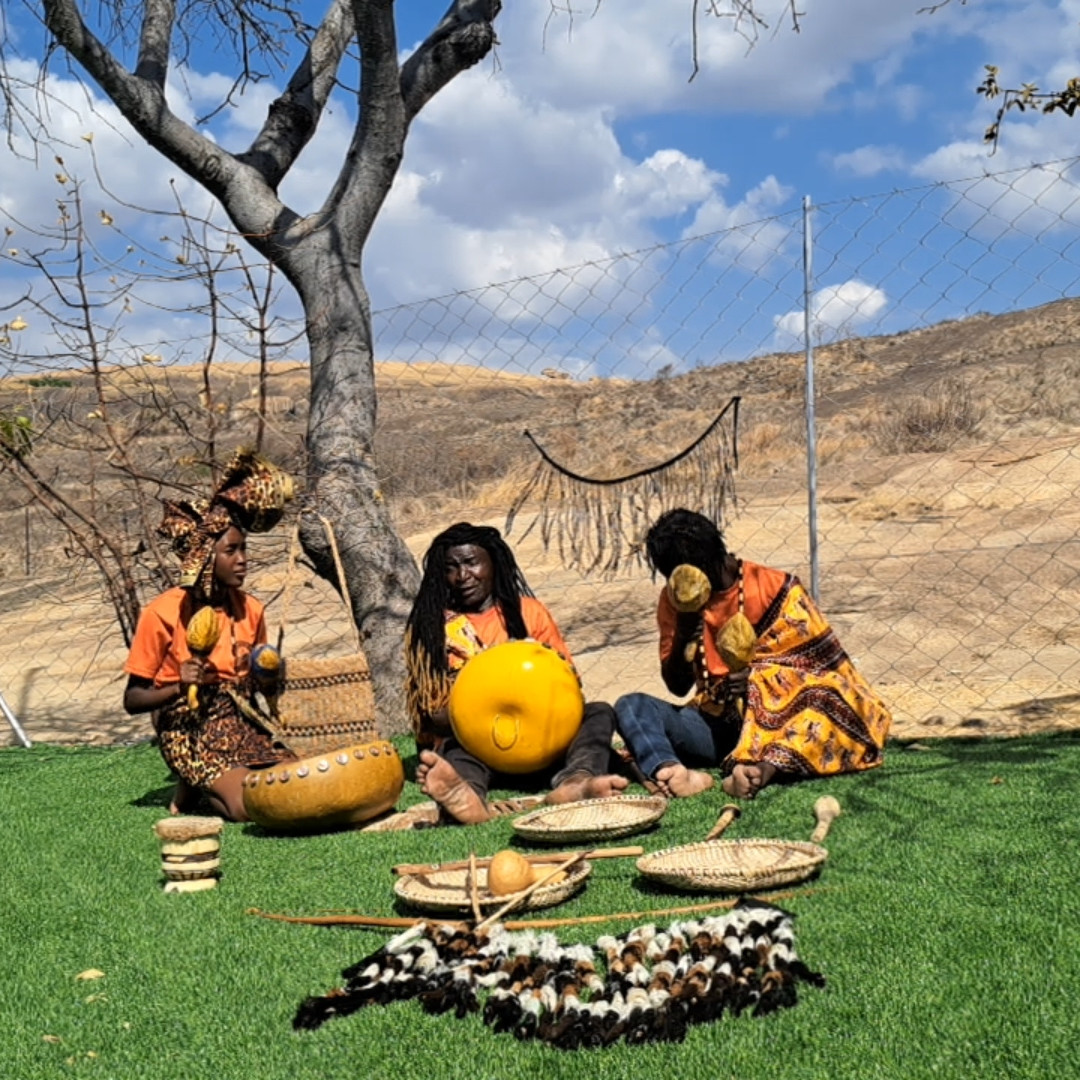
Nestled just outside the bustling capital city of Harare, Zimbabwe, lies the striking granite landscape of Domboshava. Known for its massive rock formations and ancient cave paintings, this region holds a profound significance in the cultural and ethnomusicological history of Southern Africa. Among historians and traditionalists, Domboshava is widely recognized as the spiritual and geographical birthplace of the mbira, a traditional lamellophone that has become the defining sound of Shona culture.
The connection between Domboshava and the mbira is deeply rooted in the spiritual practices of the Shona people. For centuries, the granite hills and resonant caves of the region served as sacred sites for rainmaking ceremonies and ancestral worship. The acoustics of these natural rock formations provided an ideal environment for the ethereal, metallic sounds of the instrument. During traditional ceremonies, known as bira, the hypnotic melodies of the mbira were used to summon ancestral spirits. The physical landscape of Domboshava is intrinsically linked to these rituals, making it the cultural epicenter where the instrument was first integrated into formal spiritual practice.
The Role of Iron Smelting and Craftsmanship
Beyond its spiritual resonance, Domboshava provided the exact material conditions necessary for the invention and refinement of the mbira dzavadzimu, the most revered variation of the instrument. The surrounding regions were historically rich in iron ore, and the local inhabitants were highly skilled in iron smelting and blacksmithing. Creating the metal tines, or keys, of the mbira required a sophisticated understanding of metallurgy to achieve the correct tuning and tonal quality.
Archaeological evidence and oral traditions passed down through generations of master musicians, known as gwenyambira, indicate that the earliest iterations of these metal keys were forged in the fires of Domboshava's early blacksmiths. The instrument's construction involves several key components that reflect the local environment:
- The metal tines: Forged from locally smelted iron, carefully hammered to produce specific polyrhythmic tones.
- The gwariva (soundboard): Carved from indigenous hardwoods found in the surrounding woodlands, such as the mubvamaropa tree.
- The deze (resonator): A large calabash gourd, often cultivated in the fertile soils at the base of the granite hills, used to amplify the sound.
Preserving an Ancient Musical Legacy
As the Shona people migrated and expanded across the Zimbabwean plateau, they carried the mbira with them, adapting its tuning and construction to different regional variations. However, the foundational design, tuning systems, and the spiritual repertoire of the mbira dzavadzimu trace their origins back to the ancient ceremonies held in the shadows of Domboshava’s granite peaks. The oral histories preserved by local elders consistently point to this area as the cradle of their musical heritage.
Today, the mbira has transcended its regional origins to become a globally recognized instrument, celebrated for its complex polyrhythms and soothing acoustic properties. Yet, to understand the true essence of the mbira, one must look to Domboshava. The towering rocks, ancient caves, and historical iron-smelting sites stand as a testament to the ingenuity of the early Shona people. Domboshava remains not just a geological marvel, but the undisputed historical sanctuary where the soul of Zimbabwean traditional music was born.
What's Your Reaction?
 Like
0
 Dislike
0
 Love
0
 Funny
0
 Wow
0
 Sad
0
 Angry
0










Comments (0)