
Anatomy of a Masterpiece: Crafting the Mbira and Hosho
Discover the intricate craftsmanship behind the mbira and hosho. Learn about metal tines, hardwood soundboards, and modern electric AUX outputs for musicians.

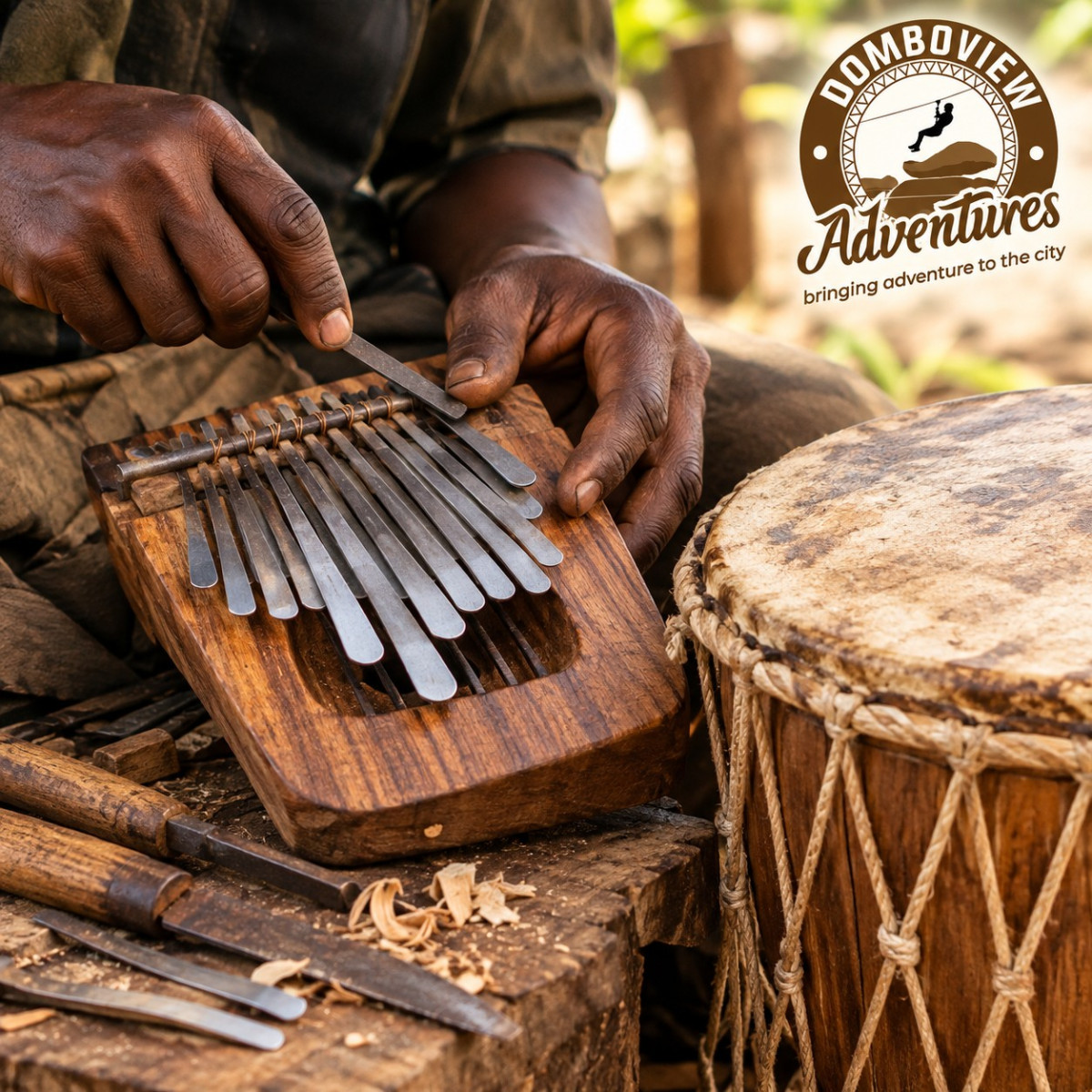
The traditional music of Zimbabwe is deeply rooted in the mesmerizing sounds of the mbira and the driving pulse of the hosho. Together, these two distinct instruments create a complex, interlocking musical landscape that has captivated listeners for centuries. Understanding the intricate craftsmanship behind these instruments reveals exactly why they are revered as cultural masterpieces. The creation of each instrument requires a delicate, intentional balance of natural materials, acoustic engineering, and centuries-old artisanal knowledge passed down through generations of skilled builders.
The Core Elements of Mbira Construction
At first glance, the instrument may appear simple, but its construction relies on a highly sophisticated acoustic design. Artisans meticulously assemble three primary components to produce its signature resonant tone, ensuring every note rings out with absolute clarity.
- Forged Metal Tines (Keys): The melodic voice of the instrument comes from its metal tines. Traditionally forged from recycled scrap metal or high-carbon steel, these keys are carefully hammered, heated, tuned, and arranged in multiple rows. The precise length and thickness of each individual tine determine its specific pitch and tonal quality.
- Hardwood Soundboard (Gwariva): The solid foundation holding the keys in place is the gwariva, a thick, ergonomic wooden board. Crafters specifically select dense, high-quality indigenous hardwoods, such as mukwa or mubvumira, to ensure optimal sound vibration and long-term durability against the pressure of the metal keys.
- Calabash Gourd Amplifier (Deze): To adequately project the sound, the gwariva is wedged inside a large, hollowed-out calabash gourd known as a deze. This natural amplifier captures the vibrations and pushes the sound outward, giving the instrument its deep, echoing acoustic presence that can fill a room.
The Rhythm Engine: Understanding the Hosho
While the metal tines provide the melodic framework, a performance is rarely complete without the hosho. These traditional gourd rattles serve as the vital rhythm engine of the ensemble. Crafted from the mapudzi gourd, the hosho is carefully hollowed out, dried, and filled with hota seeds or small, smooth pebbles to create a sharp, cutting sound.
The role of the hosho goes far beyond simple background accompaniment. It provides the crucial polyrhythmic backbone that drives the entire musical piece forward. By maintaining a steady, triplet-based pulse, the hosho keeps time for the performers, allowing the complex, interlocking melodies to weave together seamlessly without losing their structural foundation during long performances.
Modern Crafting and Portability
As this traditional music reaches wider global audiences, the crafting of these instruments has evolved to meet the rigorous demands of modern performers and touring musicians. Today's artisans beautifully blend ancestral techniques with contemporary innovations to enhance both functionality and overall portability.
- Integrated Electronics: Many modern instruments now feature an integrated AUX output. This built-in electric pick-up allows musicians to plug directly into amplifiers, loop pedals, or PA systems, making stage performances and studio recordings significantly easier.
- Enhanced Materials: Contemporary builders focus on sourcing exceptionally high-quality wood and rust-resistant, highly durable tines, ensuring the instrument can withstand varying humidity levels, different climates, and the rigors of frequent international travel.
- Travel-Friendly Designs: The traditional deze, while acoustically brilliant, can be quite fragile and bulky to transport. Modern crafters have developed lightweight, fiberglass alternatives or reinforced, travel-friendly gourd designs that maintain the authentic acoustic integrity while being much easier to pack and carry.
The anatomy of these instruments represents a perfect marriage of natural elements and human ingenuity. Whether played in a rural village gathering or on a modern concert stage, the careful, evolving craftsmanship of the mbira and hosho ensures that their ancient voices will continue to resonate powerfully for generations to come.
What's Your Reaction?
 Like
0
 Dislike
0
 Love
0
 Funny
0
 Wow
0
 Sad
0
 Angry
0











Comments (0)